Biotechnology Scientific-Research and Teaching Laboratory
Natural Sciences
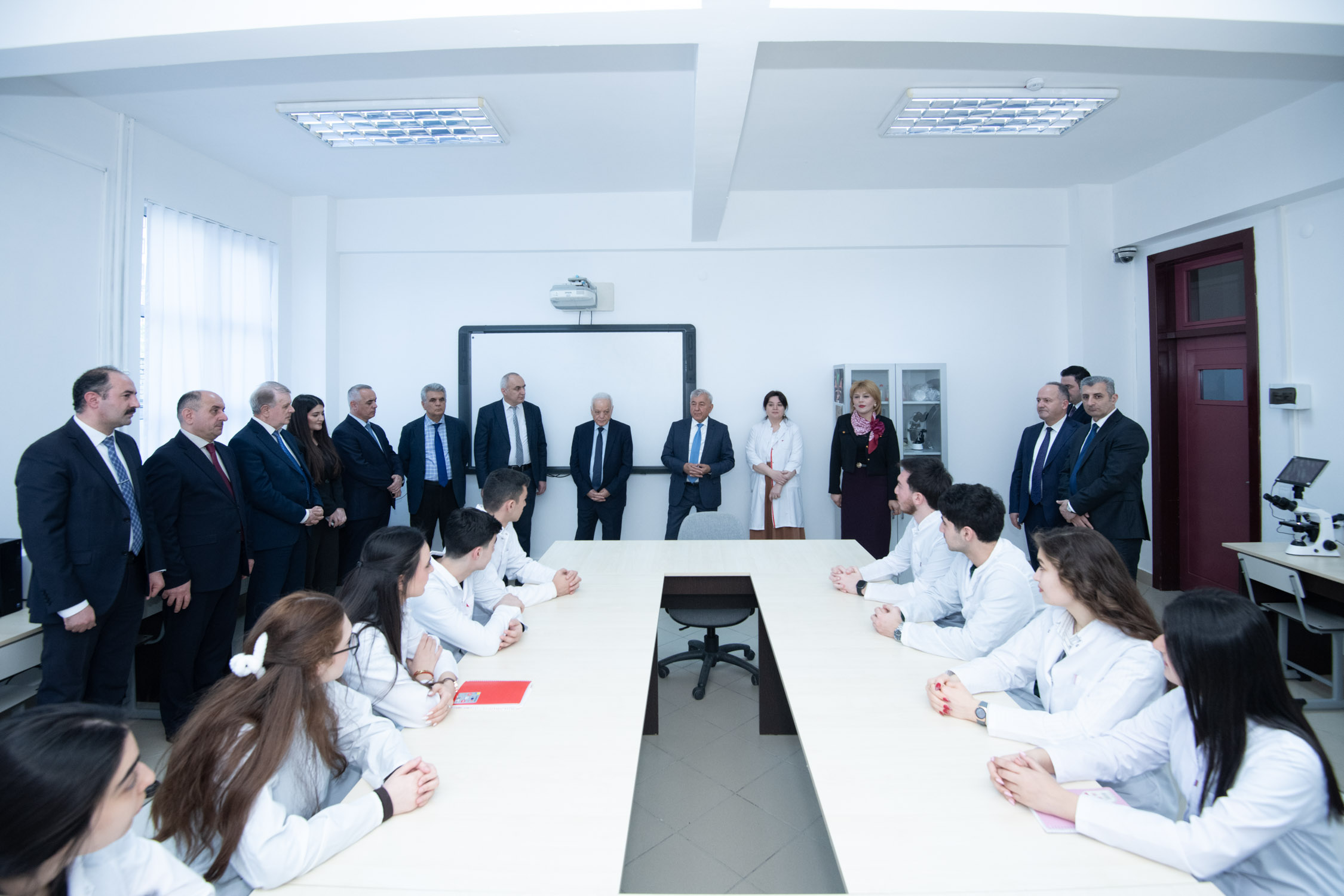
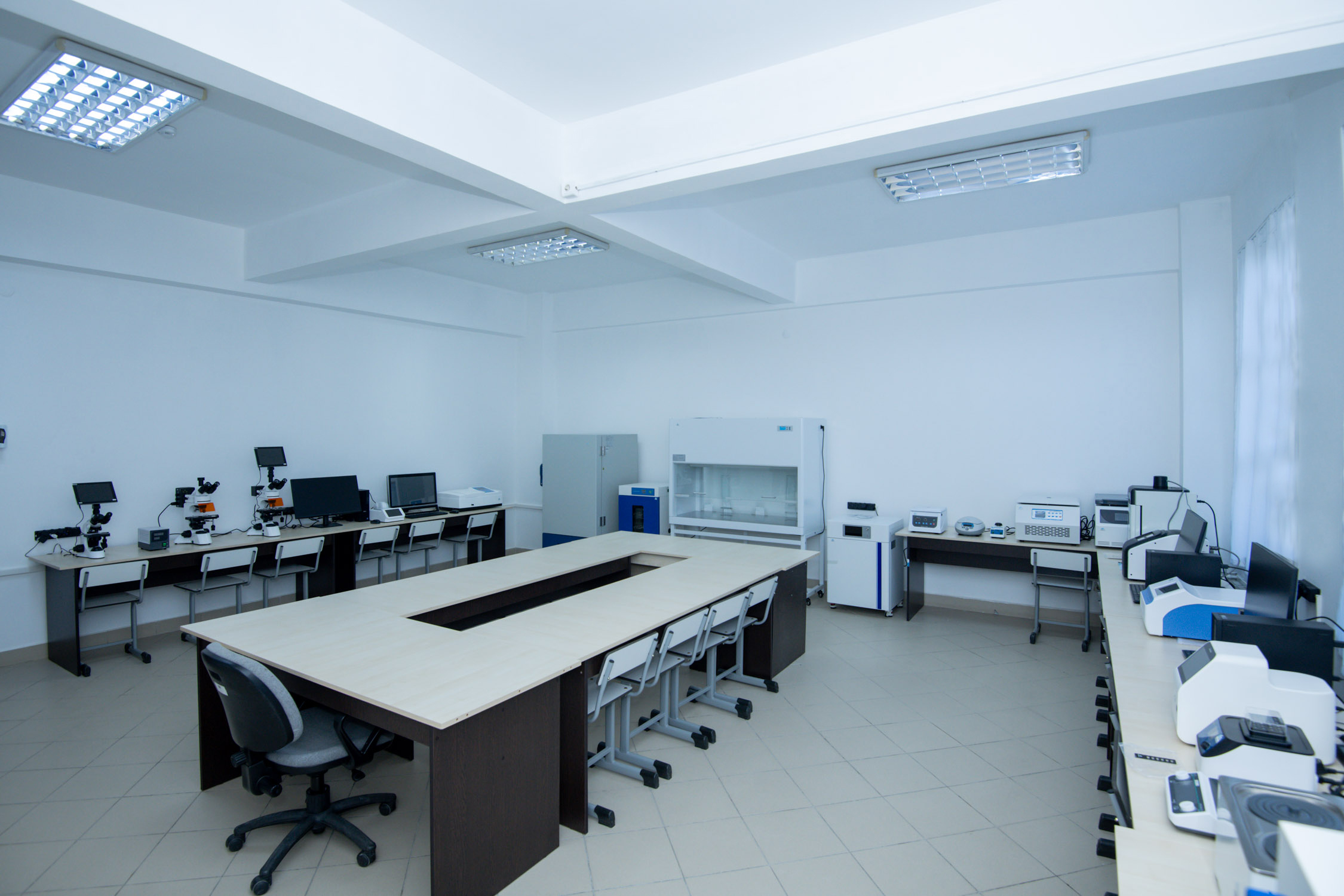
A Biotechnology Research and Teaching Laboratory has been inaugurated at Baku Engineering University (BEU) as of February 2026, with the aim of strengthening the integration of science and education, establishing a modern research environment, and developing students' practical skills. The establishment of the new laboratory forms part of the university's strategic development program and will ensure a qualitatively new stage in scientific research conducted in the fields of biotechnology and other biological sciences.
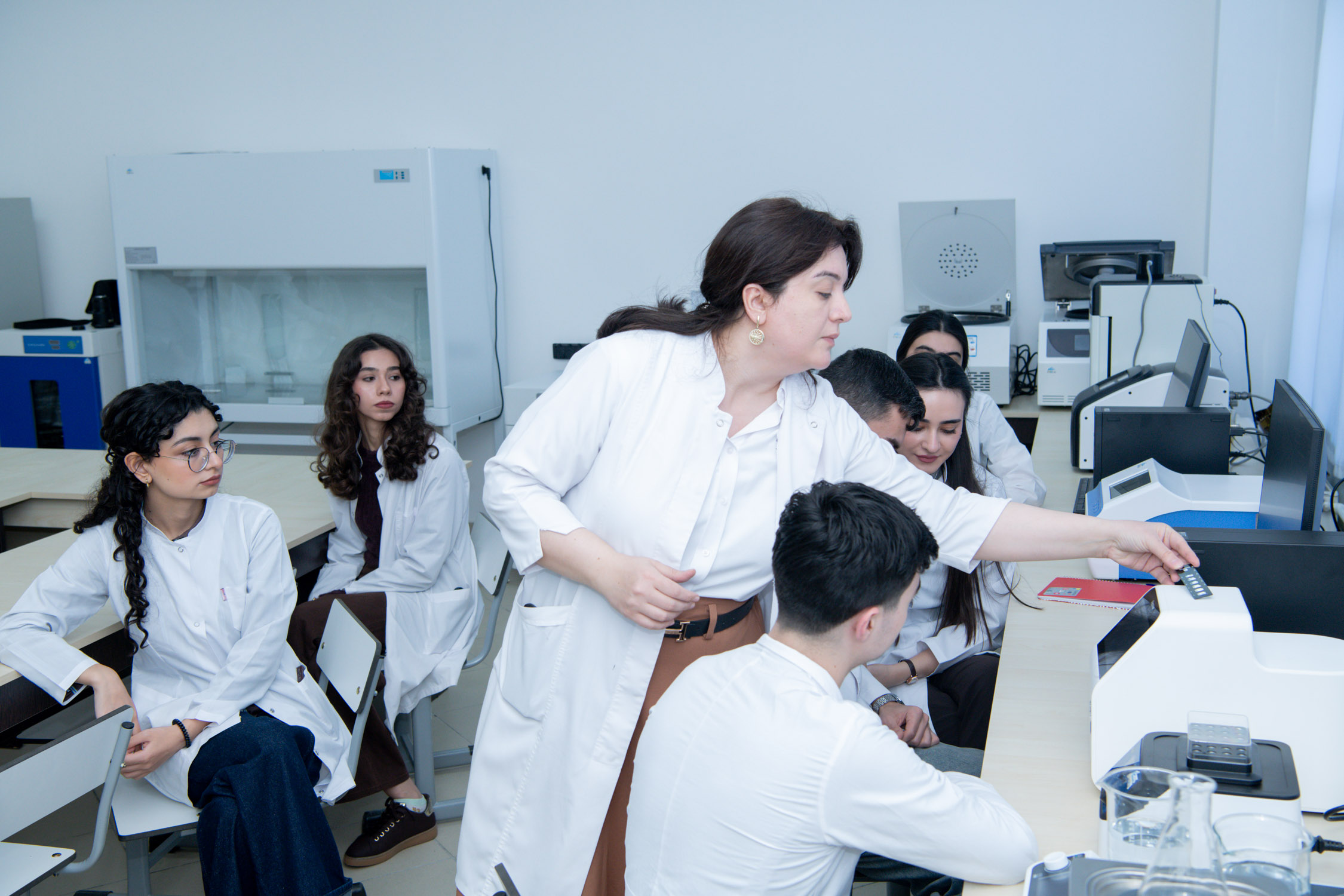
The laboratory has been equipped with state-of-the-art instruments meeting international standards, and comprehensive conditions have been created for conducting both fundamental and applied research.
A high-speed refrigerated centrifuge, installed for the precise and reliable analysis of biological samples, enables the separation of cells and biomolecules into fractions under temperature control — a capability of particular significance for research conducted in the fields of molecular biology and biochemistry.
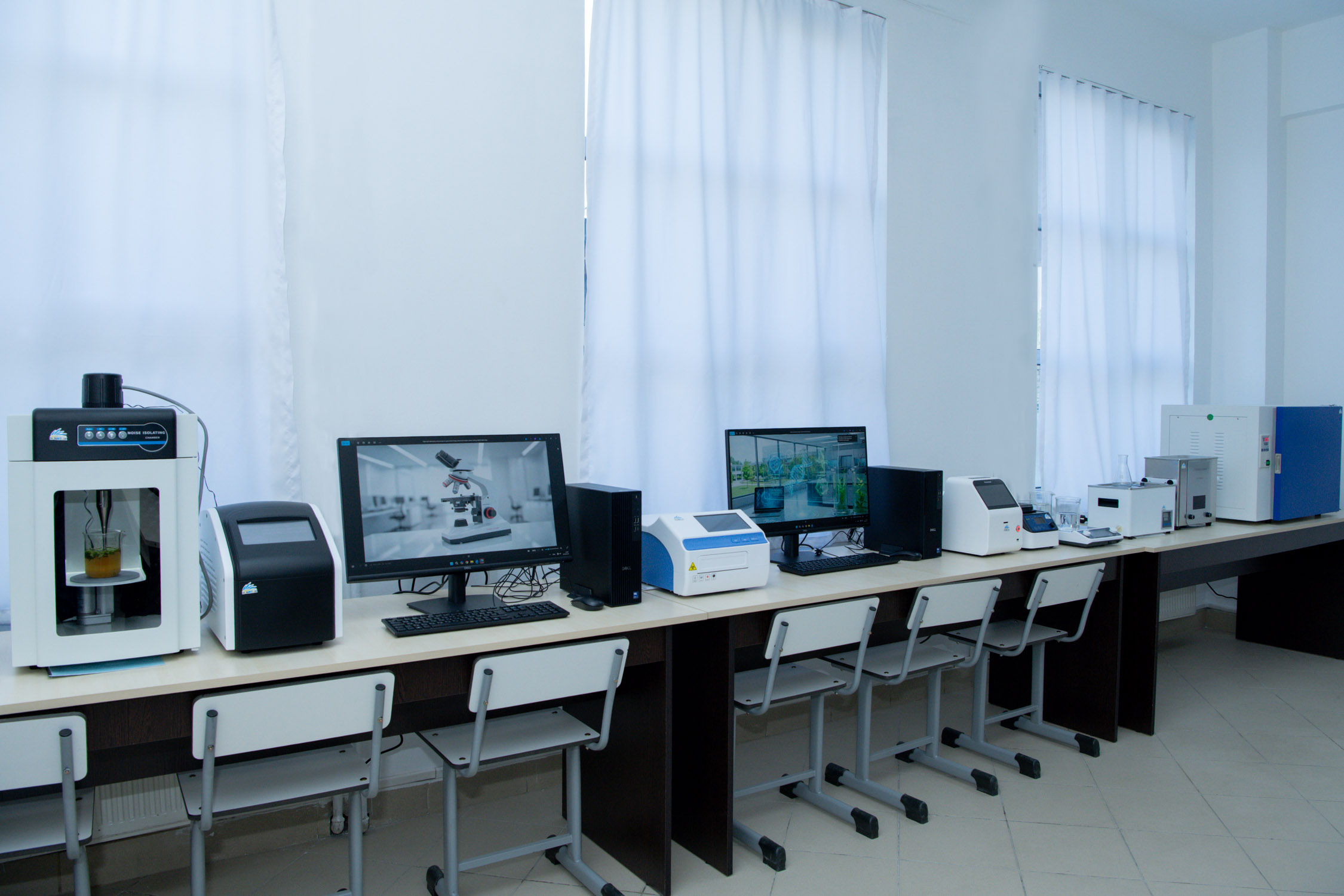
A thermal incubator maintaining a stable temperature regime has been installed in the laboratory for the cultivation of microorganisms and cell cultures. This device creates the conditions necessary for conducting various experimental processes under precise control, monitoring cell growth dynamics, and enhancing the reliability of scientific results. Additionally, a laminar flow system is employed in the laboratory to maintain a sterile working environment, ensuring that cellular and microbiological research is carried out without risk of contamination.
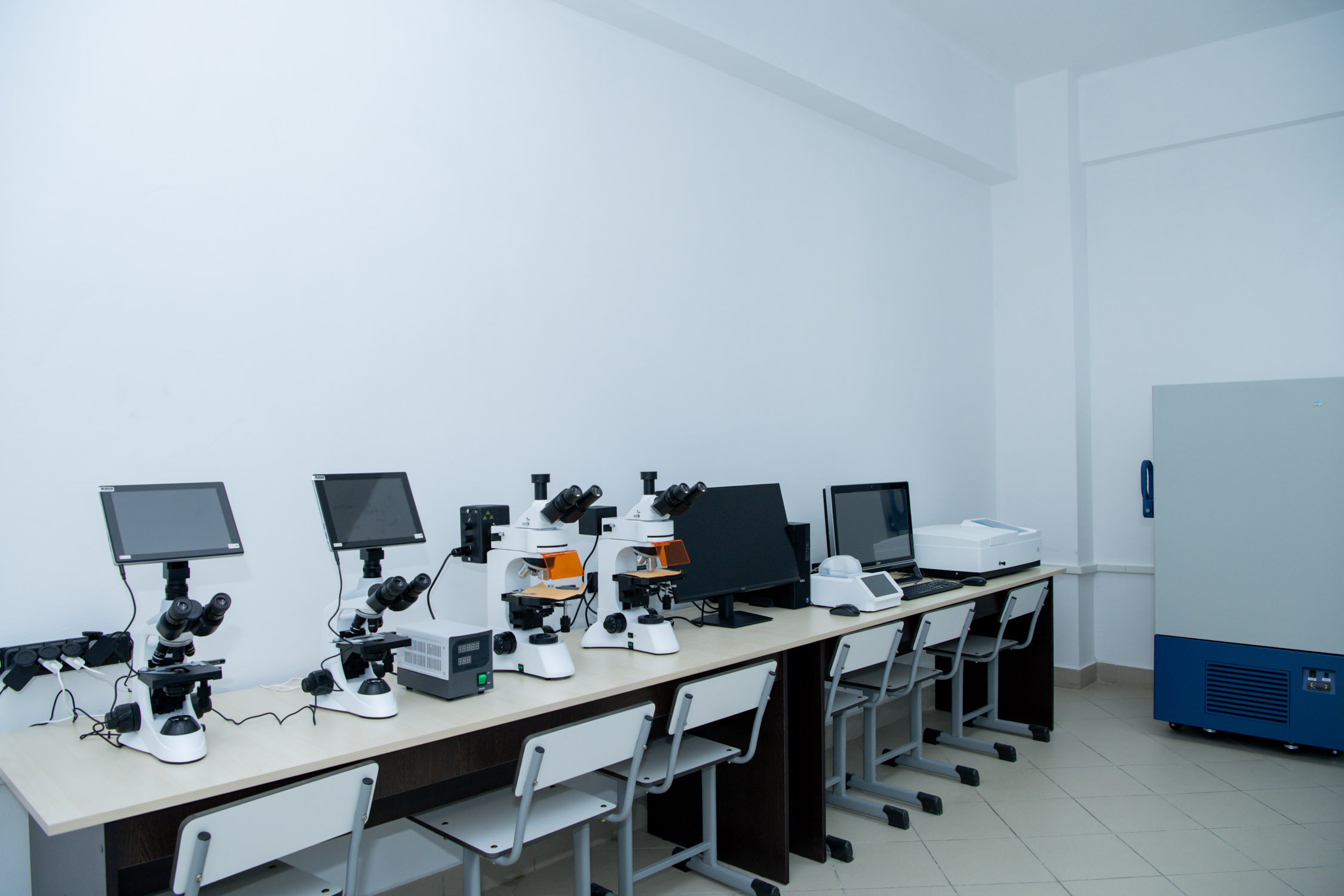
The laboratory is also equipped with a deep freezer system for the long-term and safe storage of biological materials. Samples stored under low-temperature conditions retain their stability for future research and repeated analyses — a factor of considerable importance in terms of the continuity of scientific projects and the comparative analysis of results.
An ultrasonic homogenizer will enable the disruption of cellular structures, extraction of biomolecules, and preparation of homogeneous samples within the laboratory. This device not only enhances precision and efficiency in the research process but also raises the quality indicators of analyses.
To expand scientific observation and visual analysis capabilities, the laboratory has been equipped with a fluorescent trinocular microscope. This advanced optical system enables high-precision observation of cellular and tissue structures through fluorescent markers, while also providing extensive capabilities for the digital recording and documentation of images. These features are of significant value for research conducted in the fields of cell biology, genetics, and microbiology.
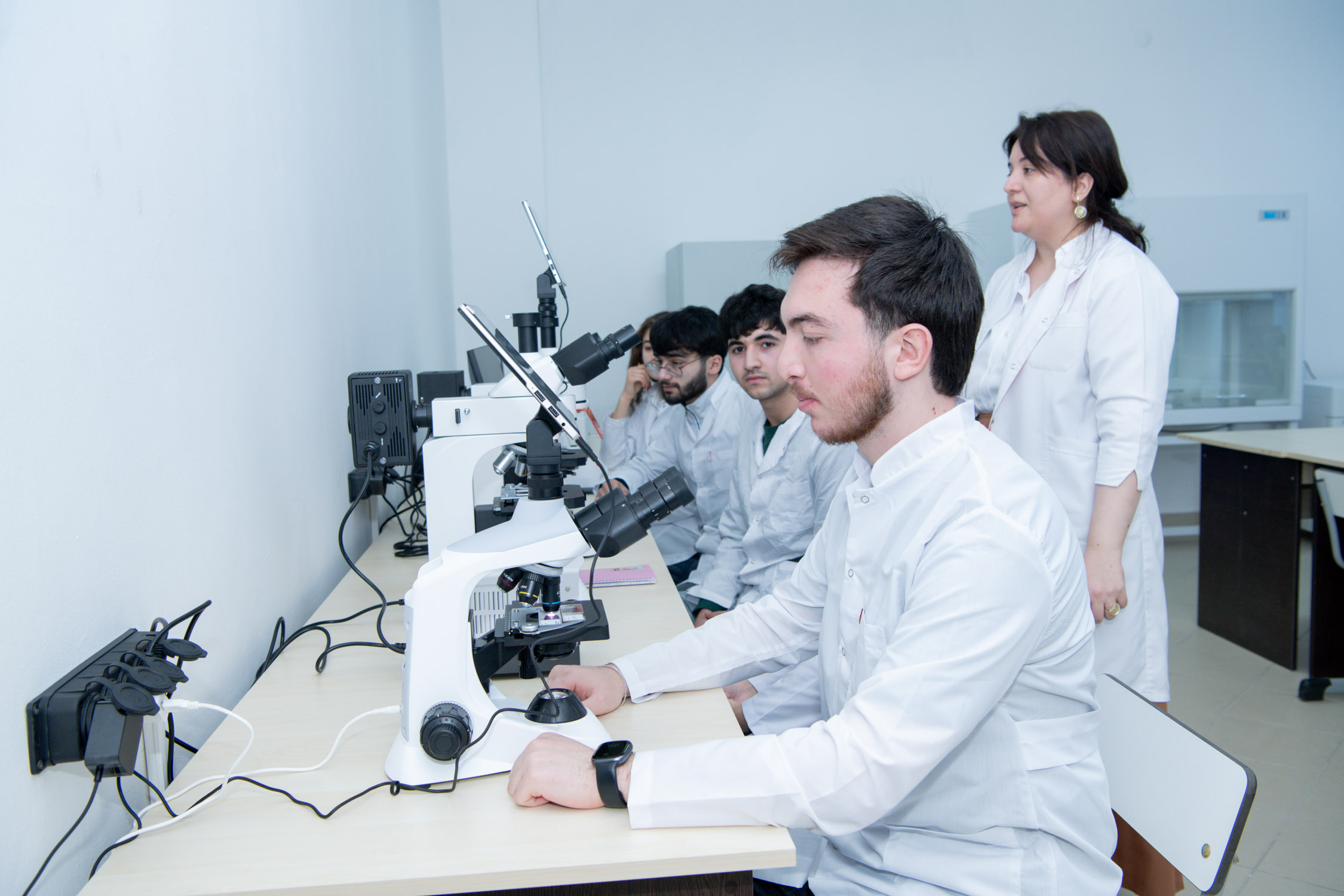
The newly established laboratory will make an important contribution not only to scientific research purposes but also to the educational process. Students will have the opportunity to apply their theoretical knowledge in a practical environment and acquire the skills to work in a real laboratory setting. By directly carrying out key stages such as experimental planning, sample preparation, conducting analyses, and interpreting results, they will develop their professional competencies.
Furthermore, the laboratory will serve as a platform for engaging young researchers in scientific projects, supporting startup initiatives, and expanding international scientific collaborations. The availability of modern equipment will broaden the opportunities for university scientists to participate in international grant programs and lay the groundwork for the implementation of joint research projects.