BEU's Laboratory Enables Science-Based Decision-Making in Agricultural Farms
September 9, 2026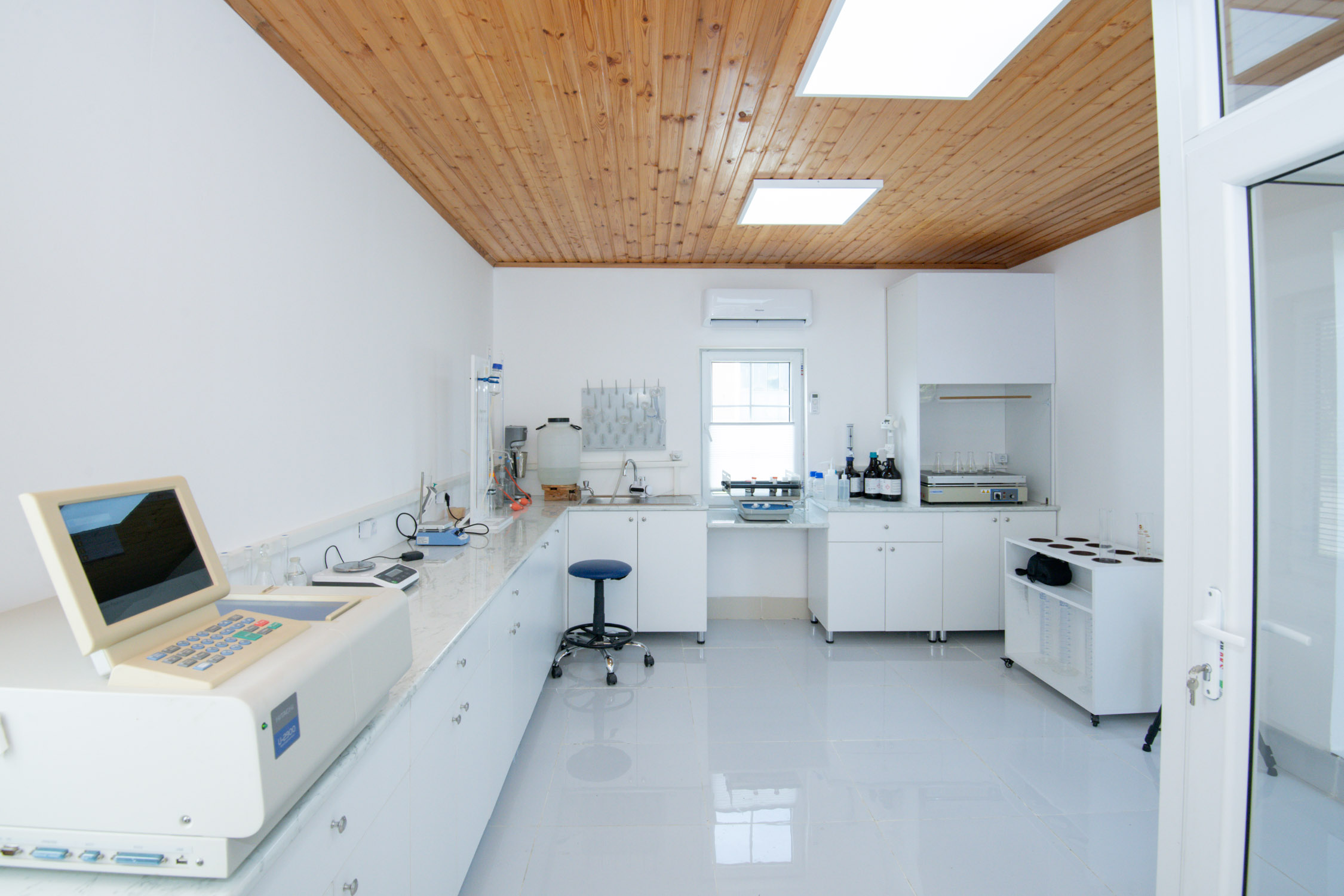
The Soil, Water and Plant Analysis Laboratory, operating at Baku Engineering University (BEU) since this year, supports the development of research and applied activities in the agricultural sector, the scientific assessment of soil, water, and plant samples, as well as farmers and agricultural enterprises in making correct agrotechnical decisions.
Equipped with modern equipment, the laboratory carries out comprehensive agrochemical analyses, and based on the results obtained, the current condition and potential problems are identified and scientifically assessed. The analysis results form the basis for developing scientific and practical recommendations aimed at ensuring the efficient use of soil and water resources, optimizing plants' supply of nutrients, and increasing agricultural productivity.
Applications are already being submitted to the laboratory by farmers, agricultural enterprises, and other interested parties. Based on the laboratory analysis of the submitted samples, the level of soil nutrient supply, the agrotechnical suitability of irrigation water, and the nutritional status of plants are determined.
During soil analyses, the soil's pH level, calcareousness, salinity, and humus content, as well as the levels of macro- and micronutrients — including phosphorus, potassium, sodium, calcium, magnesium, iron, copper, zinc, manganese, and boron — are determined. These indicators hold significant importance for assessing the agrochemical condition and fertility level of the soil, identifying nutrient deficiencies or excesses, and forming a fertilization system suited to specific farming conditions.
The laboratory also determines the physical and physico-chemical indicators of irrigation waters. The analysis of water samples provides a scientific basis for assessing water quality, determining its suitability for use in agriculture, timely assessing risks related to soil salinization and other agrochemical problems, as well as determining the optimal irrigation regime.
The analysis of plant samples, in turn, allows for the assessment of plants' supply of essential nutrients. The results of the analyses are important in terms of taking into account the vegetative and generative development characteristics of plants, determining nutrient requirements, selecting suitable fertilizers, and scientifically determining their application rates.
At the same time, the laboratory serves as an important base for BEU students to turn their theoretical knowledge into practical skills, gain experience working with modern laboratory equipment, and take part in real research processes. Here, students and researchers can conduct application-oriented research in agrochemistry, soil science, plant nutrition, and other related fields, and test the results obtained on real agricultural farms. This creates conditions for applying scientific results to practice, expanding the university's ties with the agricultural sector, and linking research activities with the real needs of farms.
Taking the results of soil, water, and plant analyses into account in farming activities allows farmers to make decisions related to agricultural production more accurately and on a scientific basis. This approach contributes to protecting and restoring soil fertility, the efficient use of fertilizer and water resources, optimizing production costs, reducing agrochemical risks, and increasing productivity.
Established with the aim of developing research and applied activities at BEU, the laboratory holds significant importance in terms of expanding the university's cooperation with the agricultural sector, directing scientific potential toward solving practical problems, and applying research results in real farms. The laboratory's activities create new opportunities for applying scientific approaches to agricultural practice and promoting innovative solutions.
Detailed information about the laboratory's activities and analysis services can be obtained from the following social media accounts:
https://www.instagram.com/bmu.aqrokimya.lab/
facebook.com/bmu.aqrokimya.lab