BEU Marks March 31 – Day of Genocide of Azerbaijanis
March 31, 2026
An event dedicated to March 31 – Day of Genocide of Azerbaijanis was held at Baku Engineering University (BEU).
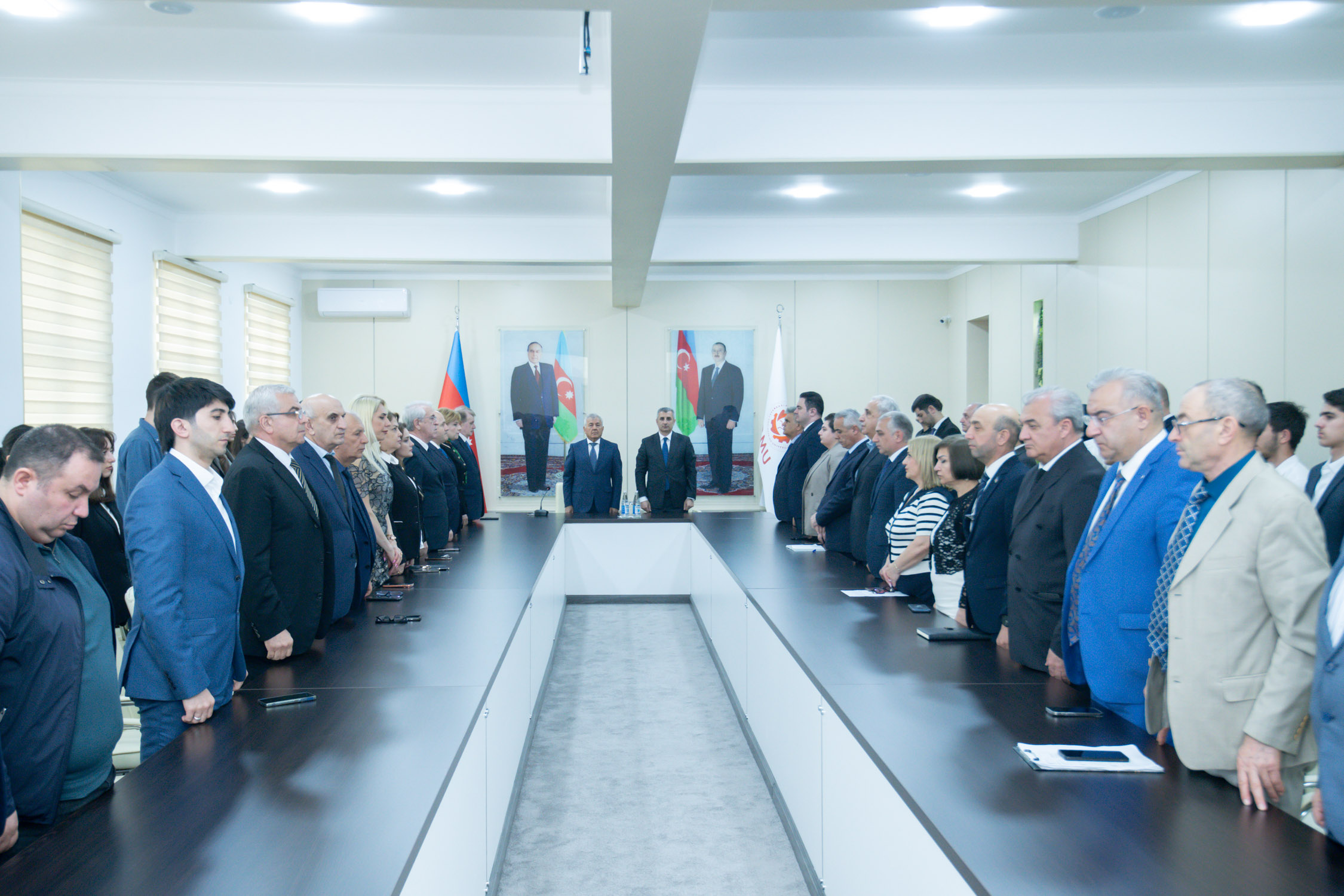
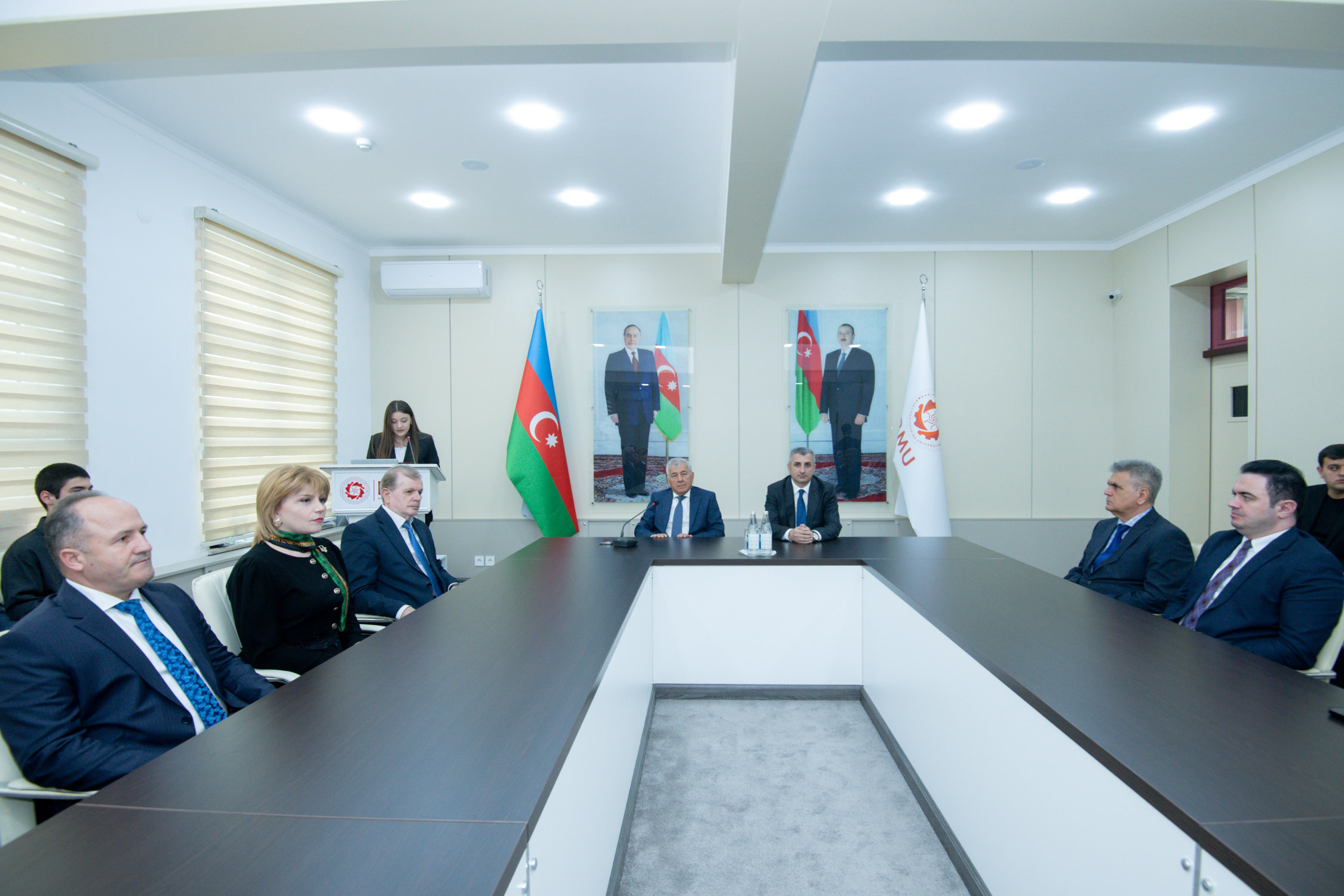
The event began with a one-minute silence in memory of the victims of the genocide, followed by the performance of the National Anthem and a screening of a video depicting the events.
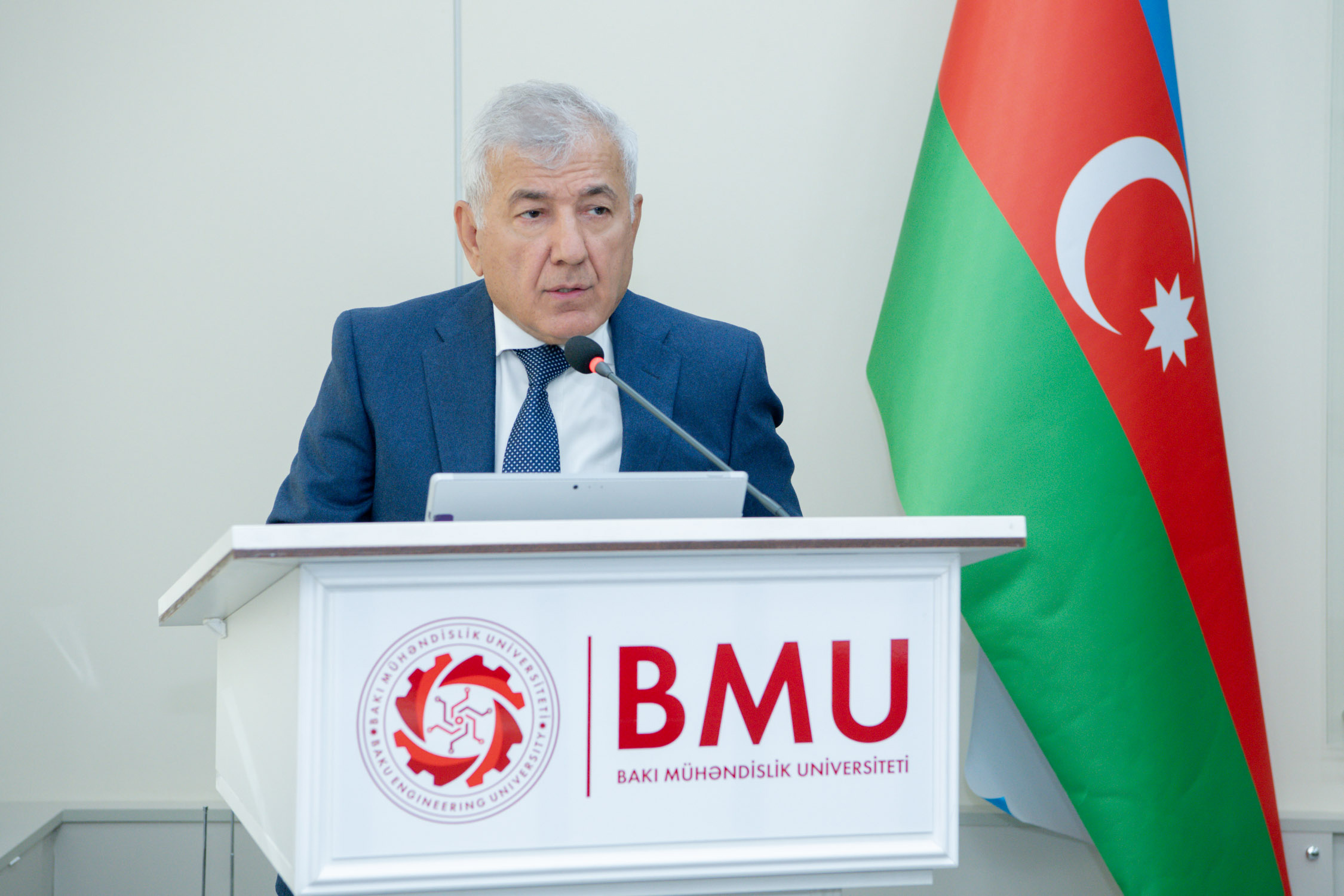
Speaking at the event, BEU Rector Yagub Piriyev described March 31, 1918, as one of the most tragic pages in the nation’s history. He stated that the brutal killing of thousands of innocent people, the destruction of cities and villages, and the severe damage inflicted on national and cultural heritage as a result of mass massacres constitute grave crimes not only against the Azerbaijani people but against humanity as a whole.
Touching upon the severe consequences of the Gulustan and Turkmenchay treaties signed in the early 19th century, the rector highlighted the division of the Azerbaijani people, the partition of historical lands, and the mass resettlement of Armenians to these territories, which laid the groundwork for future tragedies. He drew attention to the mass killings committed against Azerbaijanis in different years by Armenian aggressors driven by the idea of creating a “Greater Armenia.” Recalling that although a commission was established during the Azerbaijan Democratic Republic to provide a legal and political assessment of the events, this process was later halted, Yagub Piriyev emphasized that only 80 years later—in 1998—an adequate political assessment was given by National Leader Heydar Aliyev through a signed decree, declaring March 31 as the “Day of Genocide of Azerbaijanis” and initiating other relevant measures. He also noted that efforts to present the genocide crimes committed by Armenians to the world have been consistent, and that new facts have been uncovered through extensive research conducted under the initiative of President Ilham Aliyev. The mass grave discovered in the city of Guba is one of the bloody episodes of this tragedy. By presidential order, the Guba Genocide Memorial Complex was established in the area. The rector added that with Azerbaijan’s historic Victory in the Patriotic War, the revenge of both genocide victims and all martyrs has been avenged. Concluding his speech, he stressed that in order to prevent such tragedies from recurring, it is essential to remember history, preserve national unity, and strengthen the independence and sovereignty of the state.
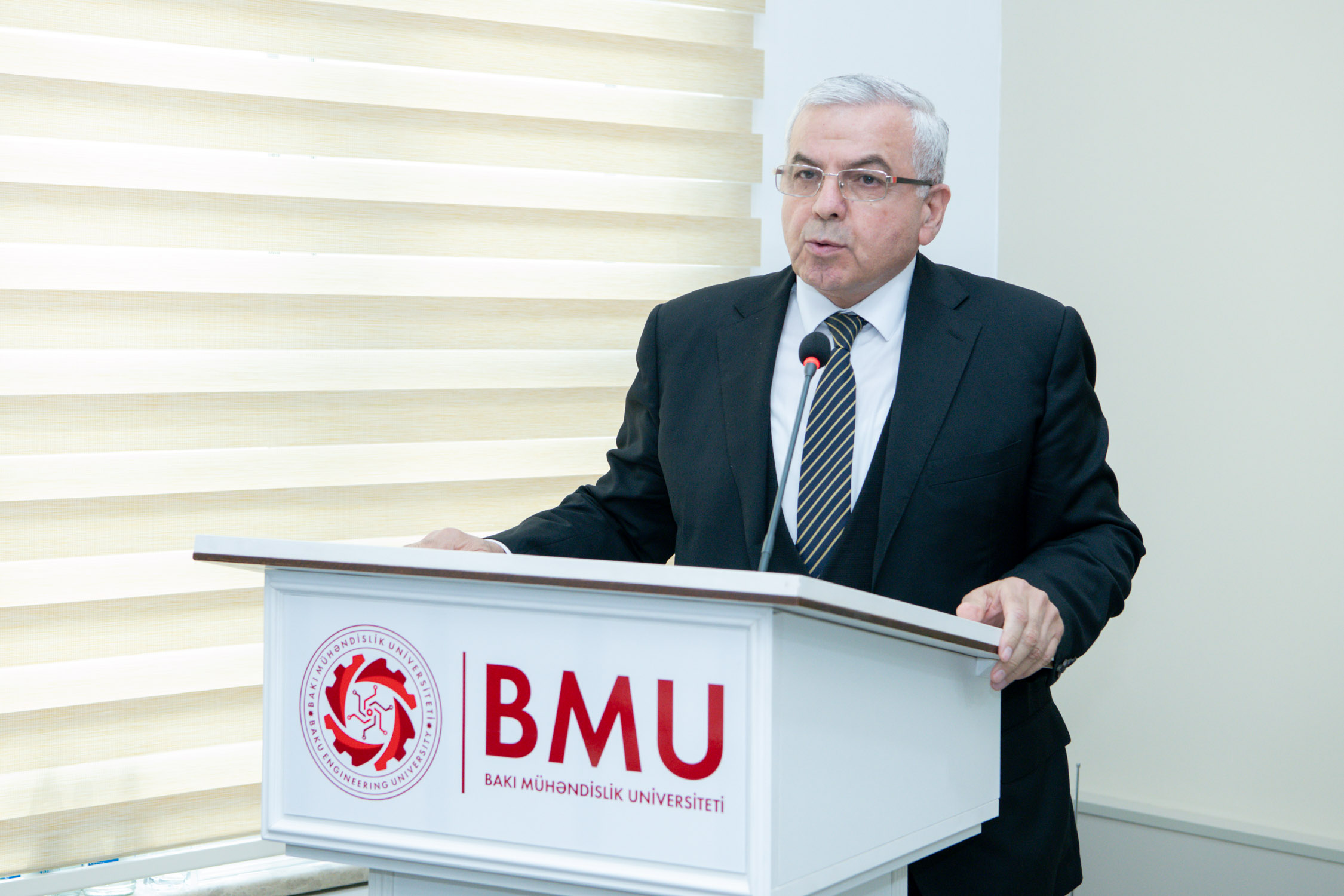
Afterwards, BEU Professor Abbas Seyidov delivered an extensive report. In his speech, he emphasized that the events of March 31 are not only a matter of history but also of national memory. The report highlighted historical facts regarding the destruction of tens of thousands of peaceful Azerbaijanis in Baku, as well as in Shamakhy, Guba, Shamchakhy, Hajigabul, Nakhchivan, Zangezur, and other regions, along with the devastation of settlements and historical and religious monuments. It was also noted that the continuous in-depth study of these events, their research on scientific and factual grounds, and their accurate communication to future generations and the international community are of particular importance.